


Getting arrested for warrants can happen in unexpected situations. Moreover, warrants for your arrest happen for a number of reasons. Administrators make mistakes, and so can you. For example, you might never receive court date information or miss court due to a scheduling conflict.
However, whether on purpose or not, arrest warrants are an added annoyance to tedious legal situations. When your new court date is weeks away and you need to renew your license, it may leave you unsure of how the Department of Motor Vehicles (DMV) will treat a Houston resident.
Does the DMV Check for Warrants When I Need a State ID?
The short answer is yes. The DMV checks for outstanding warrants as well as bench warrants. Moreover, they might have a DPS officer on-site. Some cities use this tactic to have people arrested for warrants.
However, the most common way people are arrested for warrants is when the police pull them over. The officer runs your ID information, and outstanding warrants can lead to your arrest. A Houston attorney can help you work through this process.
Can I Still Go to the DMV with a Warrant?
You are free to go to the DMV with outstanding warrants. However, they will see active warrants for your arrest whenever they run your information.
If they do, they have several options.
- Signal a DPS officer or plainclothes officer.
- Deny your services until you handle the warrants.
- Call local law enforcement.
Similarly, if you’re involved in a car crash, an officer on the scene can arrest you if they discover an active warrant. Just like at the DMV, police officers routinely check for warrants when they run your information.
Can I Get a License With Outstanding Warrants?
You are more likely to be arrested for warrants. It is uncommon for a DMV employee to offer a new license or renew a license when someone has a warrant for their arrest. Oftentimes, officers at any government buildings, bus stations, and airports check your ID against a national police database.
When you have an outstanding warrant, it is important to understand that it can prevent you from traveling, driving, or even looking for a job. When employers run background checks, they can see whether individuals have outstanding warrants.
If I Have Warrants, How Can I Get an ID?
The most important thing you can do is handle your warrant first. This may include paying fines, speaking with a probation officer, or attending a court date. If you are unsure of the problem, speak to a Houston criminal defense attorney.
A Houston attorney has the ability to look up your record. Moreover, they can walk you through your options.
Alternatively, you can have a police department look up your record. However, while you’re on the phone, they may know where you are. While the police might have you arrested for warrants, your Houston criminal defense attorney will advocate for your rights and fight to ensure the best outcome possible.
Are You Worried About Being Arrested for Warrants?
Warrants do not disappear on their own. They can follow you across state lines. If you want to avoid being arrested for warrants, these are your main options.
- Turn yourself in, preferably with a criminal defense attorney at your side
- Wait for the police to find you
Warrants for arrest are common for misdemeanors, vehicle registration issues, probation violations, and other similar legal issues.
As Houston criminal defense attorneys, we offer legal advice to people who wish to protect their rights. When we build an attorney-client relationship, we defend our clients against their charges and fight to lower any fines. Ultimately, our goals is to have the state lift the warrant.
To avoid being arrested for warrants, contact our Houston law firm today for a free consultation.

In mid-September, the Houston Police Department announced the implementation of a cite and release program for minor offenses. Under their current policy, these offenses would require officers to take offenders to Harris County Jail.
Houston City Council’s Public Safety and Homeland Security Committee detailed the program in a presentation on September 17. In 2007, the Texas Legislature established this policy as an option for law enforcement agencies throughout the state. Before this presentation, the Harris County Sheriff’s Office adopted the policy.
On Monday, September 28, 2020, Houston Mayor Sylvester Turner signed an executive order to institute the policy.
What Is a Cite and Release Program?
With a cite and release policy, officers have the option to write tickets for minor criminal offenses. The policy enacted by the Mayor limits eligible offenses to some class A or B misdemeanors that meet certain criteria.
Examples of eligible offenses include the following:
- Driving without a license
- Trespassing
- Graffiti below $2500
- Theft below $750
With the program enacted, HPD’s policy will mirror the protocols of Harris County. However, it is important to note that this policy is only in effect in Harris County. If you are in Montgomery County or Fort Bend County, this program is not in effect.
Policies in Texas
Cite and release policies are not new in Texas. However, with criminal justice reform gaining support across the country, the policy is gaining traction. In February 2020, Harris County Sheriff Ed Gonzalez explained the importance of the program.
“We have a growing jail population here. We house close to [9,000] every month…we’ve had to outsource because we reached capacity and we don’t want to do that. We want to make sure there’s enough bed space for more violent criminals.”
Per Sheriff Gonzalez, San Antonio and other cities across Texas already have similar programs in place. As the Mayor signed the executive order, Gonzalez noted that his department has written about 60 tickets since implementing the program.
“I went to several of the court hearings personally, and everyone showed up to court.”
Who Qualifies for Cite and Release?
According to the Texas Code of Criminal Procedures (Article 14.06), there are certain qualifying offenses:
- Drug possession under 4 ounces
- Criminal mischief under $750 in damages
- Theft under $750
- Graffiti under $2500 in damages
- Driving with an invalid license (so long as you are not the at-fault driver in a crash)
- Being caught with something you shouldn’t have in a correctional facility
Someone cannot qualify when they are under 17 years of age, have outstanding warrants, or are currently on parole. Moreover, police officers will decline citations if the person poses a risk to public safety.
Another important note is that officers cannot release the person when they demand an immediate appearance before a magistrate. They also cannot release a person in need of medical attention.
When someone qualifies, the officer must confirm their identity and ensure they reside within Harris County. There will be a background check, the officer will call the District Attorney’s office to confirm eligibility. Following this, the officer will ask the person to sign the Cite and Release Citation form.
Cite and Release with a Criminal Defense Attorney
Enacting a cite and release program across Harris County law enforcement is progress for criminal justice reform. However, many advocates hold concern over its effects on Black and Latino communities. To ensure fair treatment, you need an advocate on your side who will fight for your best interests.
At The Martinez Law Firm, we strive to attain the best possible outcome in every case. If you receive a ticket in this new cite and release program, contact our Houston criminal defense attorney. With a free legal consultation, we will evaluate your case and help you find the best course of action. Contact us today.

Having a DWI Dismissed in Texas
Having a DWI dismissed in Texas may seem like an impossible task. However, with the right DWI lawyer on your side, it is entirely possible. Still, the Lone Star State is known for having some of the strictest DWI laws across the United States. In the state of Texas, you can be charged with driving while intoxicated (DWI) when your blood alcohol concentration is .08% or higher (.04% for commercial drivers).
When you test above the legal limit, a DWI conviction can feel almost inevitable. However, it is important to know that it is possible to have DWI charges dismissed or reduced. Even when the prosecution has evidence against you, you have options. The right Houston DWI lawyer will advocate for you and guide you through the process.
How Can a DWI Charge be Dismissed?
For a talented criminal defense attorney, there is an array of options to have DWI charges dismissed or at least reduced. Oftentimes, these are options that the average person may not think to explore. For instance, when a breathalyzer is not properly maintained, any evidence it produces cannot be used against you. Similarly, when your rights are infringed upon in any way throughout the arrest process, your DWI case could potentially be dismissed.
While these are just two examples of how a DWI lawyer might defend you, it is also important to remember that the burden of proof lies with the prosecution. This means that they must prove beyond a reasonable doubt that you are guilty. If they are unable to show that the arrest process was handled properly, the court may not convict you.
This is one reason why it is crucial to work with experienced criminal defense attorneys, such as Herman Martinez. When you do, it dramatically improves your chances to have your DWI dismissed or your charges reduced.
What Happens After a DWI Dismissal?
A DWI dismissal is the best possible outcome for anyone accused of driving drunk. While it is not always possible, a Houston DWI lawyer can still work to reduce the penalties. In the State of Texas, DWI penalties can be severe.
DWI consequences include:
- Fines
- Driver’s License Suspension
- Higher Car Insurance Costs
- DWI Education Programs
- Community Service
- Possible Jail Time
Are DWI Courts Closed Due to the Pandemic?
No. Most locations throughout Texas have reopened courts or shifted to virtual hearings. However, a backlog of cases may cause DWI cases to be postponed for at least a 30-day period. Some Texas DMV locations may remain closed during this health emergency, which may cause delays for DWI driver’s license suspension hearings for many people.
When you want to have your DWI dismissed, it is crucial for any DWI defendant without a court date or with a postponed hearing to seek legal advice. An experienced Houston DWI lawyer will pinpoint the best defense to beat DWI charges as quickly as possible.
Working with a Houston DWI Lawyer
Have you been arrested for DWI? Whether you’ve had a breath or blood test, our defense team will examine the police report to find the best possible defense to have your case dismissed. When you work with a defense lawyer, they will examine every aspect of your arrest and help you avoid criminal charges.
When you need a DWI dismissed, a Houston criminal defense attorney is essential. An experienced DWI lawyer will fight for your rights and strive to attain the best results possible for your case. If you find yourself facing DWI charges and in need of a talented DWI defense team, please contact us today.

How Does an Out of State DWI Affect Your License?
Across the United States, every state maintains a department that handles DWI cases. This department oversees the driving privileges of the state’s residents. In Texas, the Texas Department of Public Safety (DPS) is in this role. Included in their role is the handling of Texas DWI license suspensions. When you are charged with Driving While Intoxicated in another state, it is within their power to take similar action against your license.
The Interstate Agreement on DWI
The Interstate Driver License Compact, or DLC, enables the sharing of records between states that are members of the compact. Texas happens to be a member of the DLC. Essentially, this means that a licensing agency in another state can notify the DPS in Texas when you receive a DWI. In turn, the DPS is able to treat the offense as one committed in Texas.
One Driver, One Record
However, it is important to note that the DLC does not dictate when or how a conviction in another state affects your Texas driver’s license. To put it simply, it makes it easier for state agencies like the DPS to share information about convictions and suspensions. While driver’s licenses are issued by the state, the DLC allows them to operate under the principle of “one driver, one license, one record.”
Likewise, it is important that you know the Texas DPS will only suspend your license if the conviction is considered illegal in Texas. This means that the specific law you broke must have an equivalent law in Texas. For instance, if you receive a traffic ticket in Louisiana for an offense that Texas law does not have in place, it would not automatically transfer to your Texas driving record.
“One Record” Regarding Out of State DWI
Every state has DWI and DUI laws, and they share the blood alcohol concentration (BAC) threshold of .08%. This means that if you are convicted of an out of state DWI in California with a BAC of .08%, the DLC allows Texas DPS to suspend your Texas driver’s license.
It is important to note that underage laws vary by state. Texas is considered to be a zero-tolerance state, meaning that minors caught driving with traceable amounts of alcohol in their blood can face DUI charges. However, other states exercise more leniency for minors, requiring a BAC of .02% or higher for an underage DUI.
Unfortunately, the Texas zero-tolerance policy means that any out of state DWI conviction for a minor is likely to affect their Texas license.
When to Speak to a DWI Lawyer
When you have questions about how an out of state DWI or DUI conviction can affect your driving record, it’s vital that you speak to a Houston DWI lawyer. An experienced DWI criminal defense attorney such as Herman Martinez will be able to detail the potential consequences you could face in Texas. Moreover, he will guide you through the process of fighting any potential suspension of your license.
Are you facing Houston DWI charges? DWI Defense Lawyer Herman Martinez is here to advocate on your behalf. He will advise you on the most appropriate course of action for your particular case.
Our experienced team is capable of handling an array of criminal defense cases, ranging from DWI to domestic violence as well as other misdemeanors and felonies. Contact us today to request a consultation with our Houston DWI defense team.

Navigate Your First DWI in Texas with a DWI Lawyer
In the state of Texas, drinking and driving is a serious offense. With a DWI in Texas, you face severe penalties regardless of whether it’s your first, second, or third DWI. Your first DWI in Texas is a class B or A misdemeanor. If the court convicts you, it can cost you thousands of dollars in fines and up to one year in the county jail. However, these are still the lesser of the punishments you could face when your situation is more complex.
A Houston DWI defense attorney can help you navigate the proceedings and advocate to reduce or dismiss your charges.
Houston’s Rise of DWI Cases
As Texas began to reopen earlier this summer, we saw an increase in DWI cases in Texas. According to the Harris County District Attorney’s Office, 278 people were charged with DWI over the course of the Memorial Holiday weekend. This is just 43 cases fewer than the same long weekend in 2019.
“As things began to open up and restrictions ease, you saw a gradual increase (in DWIs),” Sean Teare, head of the Vehicular Crimes Division of the Harris County DA’s Office was quoted saying. “We’re in the middle of a pandemic, we have bars and restaurants open at 25 percent capacity, and we see no drops as in years past. My concern is as we open up, you’re going to see more people try to make up for a lost time, so to speak.”
Typically, when the police arrest someone for a crime in Texas, they don’t receive any penalties until they receive a conviction from the court. However, this is not true for drunk driving in Texas.
A first-time DWI offender is likely to face administrative penalties before they go to court. Should they go to court and receive a conviction, they may face criminal penalties.
Your First Penalty: Suspension of Your License
When you fail or refuse to take a chemical test, Texas law allows the officer to seize your license. Then, you receive a “Notice of Suspension” from them. This notice allows you to drive, functioning as a temporary driving permit.
You have 15 days to request a hearing to save your license. Otherwise, you can continue to drive on the temporary permit for 40 days. However, it is important to know that when you do not contest the decision, your license will be automatically suspended anywhere from 90-180 days.
The good news is that if your driving privileges get suspended, you can apply for an occupational license. This license restricts all your driving privileges except the allowance to drive to school, work, and essential locations.
To obtain an occupational license, you must agree to an ignition interlock device and provide evidence of an SR-22.
The Second Penalty: Potential Criminal Penalties
Oftentimes, a first conviction is a class B misdemeanor. There are exceptions to this, though, which include a blood alcohol content (BAC) of .15 percent. The legal limit in Texas is .08 percent. When you hit or exceed .15 percent, it becomes a class A misdemeanor.
Upon conviction of a DWI in Texas, you receive a fine, a jail sentence, or both. The maximum penalties are $2,000 for class B and $4,000 for class A. Your potential jail sentence could range from 72 hours to 6 months (or a year for class A).
These fines and sentences are standard. However, even for a first-time DWI in Texas, there’s more.
- Probation
- DWI Education
- Community Service
- Further License Suspension
When the suspension of your license ends, you may also have to pay an annual surcharge for three years. This surcharge is often between $1,000 and $2,000.
Potential Additional Penalties for DWI in Texas
While the penalties above cover the DWI in Texas, the situation may call for additional penalties. For instance, when you are caught drunk driving with a minor in the car, you face escalated penalties. DWI with someone under 15 in the vehicle is a felony, and your fine can increase up to $10,000. You may also face up to two years of State jail time.
If you get in an accident where someone dies, the charge can include Intoxication Manslaughter, which is a second-degree felony. This crime can give an offender 2-20 years in the Texas Department of Corrections
Examples of DWI Defense Plans
While a DWI in Texas is incredibly serious, you have legal arguments when pulled over while intoxicated but have a good reason. Oftentimes, it is not possible to argue that you weren’t intoxicated unless the tests prove it. Instead, some DWI defense plans include:
- Drove because an officer told you to
- Drove drunk out of necessity
- Was not intoxicated at the time of the arrest
In other cases, you may be able to argue a technicality.
- Improper or unlawful traffic stops
- Chain of custody issues for blood tests
- Inaccurate field sobriety tests
You may refuse a blood test or chemical test.
You Need a DWI Lawyer
A DWI in Texas is one of the most common crimes. Sometimes, drivers do not take DWIs as seriously as they should. However, treating them as inevitable is a mistake because the state takes them quite seriously.
Have you been arrested for a DWI in Texas? Call on our DWI defense attorneys to stay in control of what happens next.

Underage drinking continues to be a problem in Texas. In this guide, we hope to shed some light on the conditions and consequences of underage drinking in Texas. Our state’s numerous laws and penalties pertaining to underage drinking reflect the legal bottom line.
Texas takes underage drinking quite seriously. If you, a relative, or a loved one consume, possess, or purchase alcohol for someone under the age of 21 in Texas, you should consider the facts and consequences we discuss below.
Are you or someone you know facing a charge related to underage drinking in Texas? Contact the criminal defense attorneys at The Martinez Law Firm.
How to Define Underage Drinking in Texas
In Texas, the minimum drinking age varies according to whom and to where the drinker is being served alcoholic drinks. For example, a waiter in a restaurant that serves spirits, beer, or wine must be at least 18 years old.
The legal drinking age in Texas is 21 years of age. Originally set as 18 years in 1971, it rose to 19 in 1979 and again to 21 in 1984. These changes in the age were an attempt by legislators to curb drinking and driving instances.
However, there are exceptions to this law. For instance, an individual under the age of 21 may drink at home when supervised and permitted by an adult. The adult must also be on the premises and present when a minor is served alcohol.
Underage Drinking in Texas
According to the FBI Uniform Crime Report, more than 130,000 minors under the age of 18 were arrested for drunk driving in Texas. Additionally, almost 1,000 minors under 18 years of age were charged with DUI. Also, the Texas School Substance Abuse survey reports that alcohol is the drug of choice for many Texas high school students:
- Experts report that binge drinking may lead to serious health problems.
- Most students said they first drank alcohol at the age of 14.
- Students surveyed say it’s easy to access alcohol when they want it.
- Almost one-fourth of secondary students in Texas say they have had five or more alcoholic beverages on one occasion.
Oftentimes, minors do not consider the possession or consumption of alcohol to be a serious criminal offense. Unfortunately, underage drinking in Texas can lead to juvenile conviction and have other serious consequences.
What Are the Penalties for a Minor in Possession of Alcohol?
When a minor is found drinking, they face severe consequences in the State of Texas. Any individual under the age of 21 who buys alcohol, becomes intoxicated in a public place, lists about their age to obtain or purchase alcohol, or attempts to buy, consume, or possess alcohol faces arrest and charges for Minor in Possession (MIP), otherwise known as underage drinking, in Texas.
MIP is an alcohol-related charge as well as a Class C misdemeanor. Potential consequences of an MIP include:
- Up to $500 in fines
- Up to 40 hours of community service
- Court-ordered participation in an alcohol awareness program
- Loss of driving privileges fro 30 to 180 days
A minor over the age of 17 may face a maximum of $2,000 fines, up to 180 days behind bars, and the automatic suspension or loss of their driver’s license.
Zero Tolerance in Texas
In Texas, it is illegal for any individual under the age of 21 to operate any motor vehicle, including watercraft, in public with any detectable amount of alcohol in their system.
For a first offense, they face a Class C misdemeanor, punishable by
- Fines up to $500
- Up to 40 hours of community service
- Mandated alcohol awareness education
- Up to 60 days suspension of their driver’s license
- Ineligible for a Texas occupational license for 30 days
A second offense is a Class C misdemeanor punishable by:
- Up to $500 fine
- Alcohol awareness classes
- Driver’s license suspension for up to 120 days
- Up to 60 hours of community service
- Ineligible for an occupational license for 90 days
With a third offense, the minor is ineligible for deferred adjudication.
- Driver’s license suspended for up to 180 days
- Ineligible for an occupational license throughout suspension
- At the age of 17, they face a maximum of $2,000 fines and a jail term up to 180 days
Contact our criminal defense attorneys for a free consultation of your case.
Using a False ID
Under the “Use it and lose it” law in Texas, in which use refers to alcohol, it is illegal to use a fake ID to purchase alcohol. Using false identification is a criminal offense, and if convicted, you or your loved one will face a judge and potentially jail time.
At a minimum, it is possible to lose your Texas driver’s license. Any minor who consumes or possesses alcohol faces the potential loss of their driver’s license.
What Are the Penalties of Underage Drinking in Texas?
Although they are aware that the law forbids minors to purchase, possess, or consume alcohol, many minors proceed with underage drinking in Texas. Per the Texas Department of Transportation (TDoT), these are the consequences of underage drinking.
- On a first offense, when a minor possesses alcohol but does not consume it, they potentially lose their driver’s license for 30-80 days and must complete up to 40 hours of community service. They must also participate in a court-ordered alcohol awareness program.
- On a second offense, the minor faces up to $2,000 in fines and a maximum jail time of 180 days.
- When a minor is charged with drinking and driving, they face similar penalties to the possession of alcohol.
- However, on a subsequent offense, they face the loss of their driver’s license for up to 12 months as well as an alcohol awareness program.
When an adult serves alcohol to or purchases alcohol for a minor, they also face serious charges related to underage drinking in Texas.
- On a first offense, the adult faces a Class A misdemeanor charge. They may be fined up to $4,000 and/or face up to one year in jail. They may also have their driver’s license revoked.
- When the adult is not the parent or guardian of the minor and is over the age of 21, they face liability damages for any damage the minor causes under the influence of alcohol.
Selling alcohol to a minor is a Class A misdemeanor. It is punishable by fines up to $4,000 and/or jail time up to one year.

What Should I Know so I can Protect Myself?
Any criminal defense attorney will tell you that felony DWI charge is nothing to scoff at. We all know the word “felony” carries a lot of weight, but not everyone understands how quickly a misdemeanor can become much more serious. In mere moments, lives can be forever altered because of one decision to drink and drive.
Driving while intoxicated is a crime that occurs when someone operates a motor vehicle under the influence of alcohol with a BAC of .08% or higher. It is commonly referred to as a DWI or drunk driving. When arrested for a DWI, you can also have your driver’s license suspended.
Every state has its own laws for DWI offenses, and it can be difficult to navigate. A Houston DWI defense attorney can tell you about the specific DWI laws in Texas. When you’ve been arrested for a third DWI felony, it is vital that you contact a DWI lawyer immediately. Doing so can improve your case significantly and potentially reduce your charges or even have them dismissed.
An attorney versed in criminal law will help you to avoid a DWI conviction and provide the best legal advice for your case.
When Does a DWI Become a Felony?
In many states, Texas included, driving while intoxicated is a misdemeanor offense. However, there are cases where the actions of the impaired driver can rise to the level of a felony. When this happens, it means there are specific factors present in the case.
- The person charged is a repeat offender charged on their third DWI charge.
- Note: A second DWI offense is a class A misdemeanor. However, it can also rise to the level of a felony when any of the below factors are present in your case.
- Intoxication assault, or a non-fatal injury, resulting from a DWI is a 3rd-degree felony.
- Intoxication manslaughter, or a death as the result of a DWI incident, is a 2nd-degree felony.
- The DWI involved other elements or reckless behavior or disregard for the safety of others.
- The DWI incident involved a minor’s presence in the vehicle, resulting in a state jail felony.
It is important to note that in Texas, felony DWI cases can be divided into into three (3) types of felonies from a state jail felony, 3rd degree, and 2nd degree. Again, this depends on the severity of the incident and the person’s criminal record.
What Are Some of the Judicial Penalties of a Felony DWI?
The legal consequences of a felony DWI charge are quite severe. They include punishments that involve prison sentences over a year or longer along with hefty criminal fines of up to $10,000.
For example, state jail felonies range in punishment from 6 months to 2 years in the state jail. As with most felonies, the conviction can remain on their record for the rest of their life. This has a severe impact on their social life as well.
When you’re convicted of a felony DWI, you can lose many of your rights. These include the right to drive a motor vehicle, the right to vote in elections, and the right to retain custody of your children. Your status as a felon can also have a lasting impact on your ability to find a home or a job. Likewise, a felony conviction will strip you of your second amendment rights to arm yourself, meaning you will no longer be able to own firearms.
To contrast, in a misdemeanor DWI charge, you may be sentenced to less than a year in jail with much smaller fines. While it can still impact your ability to find a job later on, it does not carry the same weight as a felony DWI charge.
Do I Need to Hire a Criminal Defense Attorney to Help with My Felony Chargse?
Being charged with a felony DWI is an incredibly serious matter. Aside from the complex laws involved, an experienced Houston DWI attorney can advocate on your behalf and attempt to reduce your sentence.
Your lawyer will prepare your case, research the laws in Harris County, and determine what defense or course of action is best for you. A Houston DWI lawyer will fight to protect your rights and strive to attain the best possible outcome for your case.
If you are facing the possibility of a DWI felony, you need a defense plan that enhances your chances of reduced charges. The impact that jail time and fines have on you and your family is hard to imagine yet very severe.
You need a DWI defense attorney who will help you to think of how to mitigate these circumstances. Herman Martinez has been working with DWI clients since 1999. He utilizes his vast experience and legal knowledge to provide the best possible defense.
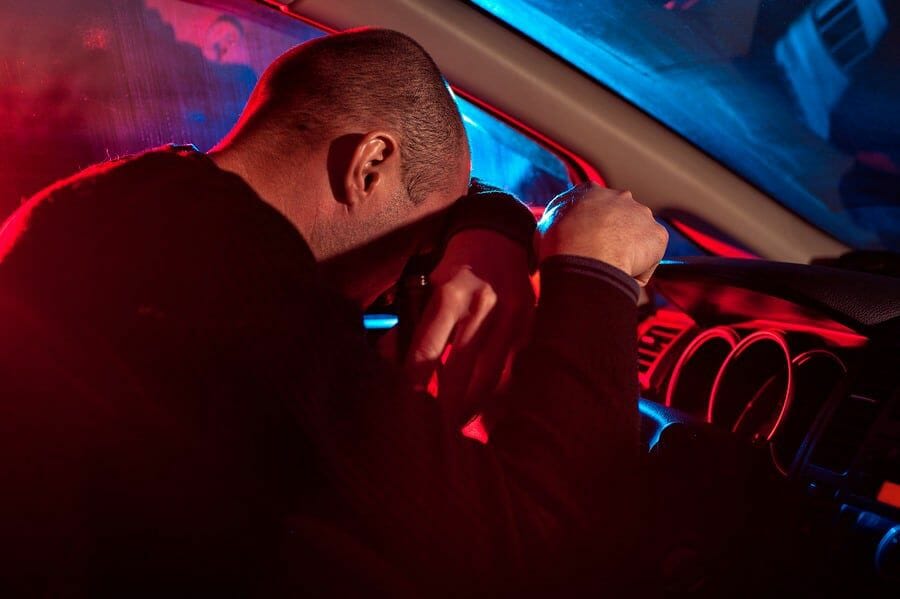
Any skilled DWI lawyer can tell you that having a DWI on your record puts serious limitations on your freedom and your future. When you are convicted of a DWI, you could face probation, the loss of your license, and even jail time.
When your probation ends or when your license is returned, the limitations don’t simply end. If you decide to operate a vehicle under the influence, you may find that this decision haunts you for years to come. Being pulled over for suspicion of a DWI has a significant impact on your lifestyle and reputation for years to come.
Criminal defense attorneys in Houston TX, such as Herman Martinez, see an array of cases while serving Houston. At our law firm, we place a special focus on DWI defense and arrest for DWI because we know the impact it can have on your life. If you have been arrested in Houston Texas for driving while intoxicated, call our law offices today.
A DWI Harms Your Reputation
If you are charged with a DWI, your mugshot is taken, processed, and posted online. Left there, it can impact your personal and professional reputation. An experienced DWI defense attorney knows how to prevent this from happening. Even after an arrest, there are steps an attorney can take to help you have these charges removed from your record.
An Interlock on Your Vehicle
In Harris County, you may be required to install an interlock ignition device on your vehicle. An Interlock is installed on the ignition of your vehicle. This device requires you to test your blood alcohol content before you are able to start your car. Oftentimes, you must pay for the installation of this device as well as a monthly fee to have it recalibrated.
Without this device fitted, the state may refuse to allow you to drive. If you find yourself facing a difficult case, hire a trusted Harris County DWI lawyer so that you have an advocate on your side to fight for your best interests.
A DWI Can Increase Your Car Insurance Premium
The premium you pay for care insurance is based upon how risky the insurance company believes you are behind the wheel. Having a DWI on your record makes you a high-risk driver, meaning that insurance companies may elect not to provide you with insurance. When they do, they have the opportunity to charge you a higher premium than you might pay otherwise.
Custody Battles at a Disadvantage
Your reputation is impacted in more ways than one. Another possibility is that a recent DWI charge may be used against you if you are engaged in a custody battle. The judge may view a DWI charge as a sign of a drinking problem and deem you an irresponsible parent.
Employment Difficulties
Regardless of your progression, a DWI charge is a blemish on your record. You may find your employment at risk, and finding new employment can become quite difficult. Doctors, teachers, and other individuals in “respectable” fields may be unable to obtain a license in their respective fields with a DWI.
Travel Limitations
Many states place travel limitations for those on probation. You may be required to request permission from your probation officer before you are allowed to travel. After your probation ends, you may still find travel difficult. Certain foreign countries won’t allow entry to visitors with minor convictions.
Added Expenses
When you are convicted of a DWI, you may face more expenses than you realize. From paying to get your car out of the impound lot to bail and court costs, it quickly becomes an expensive process. An experienced local DWI attorney will help you navigate these situations, recommending the best route for your situation.
Clearing Your Name with a Local DWI Defense Attorney
When it comes to DWI cases, expunction is difficult to obtain. Certain situations qualify for a non-disclosure of your DWI. This is often implemented to help first-time offenders. The most important thing you can do is have a skilled DWI lawyer at your side.
Herman Martinez has over 20 years of experience defending clients in an array of criminal defense cases. His success and skill are evident in his superior ratings. If you find yourself in need of a DWI law firm, call our firm immediately and let us fight for you.
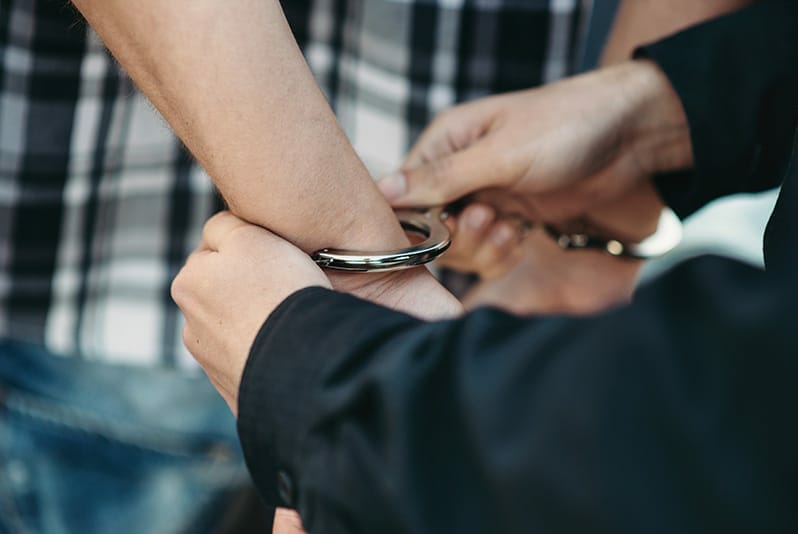
If you’ve been charged with a serious crime such as Intoxication Manslaughter, you will need an Intoxication Manslaughter Lawyer. Contact us today for a free consultation.
In Texas, anyone who is driving under the influence of alcohol or drugs and gets behind the wheel automatically faces very serious criminal charges such as Intoxication Manslaughter. The problem only becomes compounded if the accident leads to significant property damage or another person becomes injured. One of the worst forms of these accidents occurs when someone is wrongfully killed as a result of the drunk driving accident.
In our state, this criminal act is called intoxication manslaughter. Below, our Houston DWI lawyer at The Martinez Law Firm expands further on this type of criminal charge and what form of defense can be offered.
What Is the Difference Between Manslaughter and Murder?
The most significant difference between manslaughter and murder is that the latter is premeditated. Someone made a conscious effort in planning to take another person’s life. Manslaughter, on the other hand, is often accidental, and the person had no malice or intent to kill. The penalties for manslaughter are not typically as severe as those for murder; nonetheless, facing any type of criminal charge, no matter how serious, will be a stressful experience.
Intoxication manslaughter is a second-degree felony and carries these possible penalties:
- Fine of up to $10, 000
- Incarceration for 2 and up to 20 years even if probation is given to the accused
- Community service: minimum of 240 hours and up to 800 hours
One major difference between intoxication manslaughter and manslaughter is how it is defended in court and how the case will be presented. It is extremely important to have an intoxication manslaughter lawyer because the perception from the court’s standpoint is zero tolerance.
The fact is, perception and judgment become compromised when someone is intoxicated, is the very fact that someone made the decision to drink and drive. The prosecution may find a reason to use this as a point to move their case forward and try to secure a conviction. It will be up to your Houston DWI attorney to stay one step ahead and counter those arguments.
Get An Intoxication Manslaughter Lawyer Now—Call The Martinez Law Firm!
Lead attorney, Herman Martinez, serves Houston, Texas with sharp, knowledgeable, and client-driven defense against criminal charges and DWI. He uses his knowledge of the law and sharp legal skills to ensure that the investigation process is thorough and clients are given fair representation in court.
If you are facing intoxication manslaughter or any type of DWI or criminal charge, do not wait. Please give our Houston DWI lawyer a call today to discuss your case further.

It is important to understand that the circumstances directly surrounding your DWI arrest could greatly affect your charges. In the state of Texas, first and second time DWI convictions are only considered to be misdemeanors. You will have automatically been charged with a felony DWI in Texas if it is your third conviction.
What Could Cause a Misdemeanor DWI to Become a Felony DWI in Texas?
Certain factors could transform a misdemeanor into a felony DWI, including:
- You are arrested for a DWI while driving a child under 15 years of age.
- Penalties for this offense include anywhere from 180 days to 2 years in state jail and fines up to $10,000.00.
- You are arrested for a DWI after getting in an auto accident that resulted in serious injuries.
- Penalties for intoxication assault in Texas include incarceration for 2 to 10 years, as well as up to $10,000.00 in fines. It is also mandated by Texas law that the judge in these cases must order at least 160 hours but no more than 600 hours of community service.
What If I Was Charged With a Felony DWI in Another State?
If you are arrested in another state for a felony DWI, Texas will still be informed about your conviction. As long as the state you were charged in is a part of the Interstate Driver’s License Compact. In addition, the only states who are not members of this compact include Tennessee, Wisconsin, Massachusetts, Georgia, and Michigan.
Call Our Experienced Houston DWI Defense Lawyers
Having spent over 15 years defending the rights of the accused throughout Houston, Attorney Martinez is a top-rated legal advocate. Being rated as a Clients’ Choice DUI Lawyer on Avvo for 2012. Also named a Top DWI Lawyer by Houston Texas Magazine for 2011. In addition, Attorney Martinez has a 10.0 Rating on Avvo, which is the highest possible score he can receive. This score was from his peers for his exemplary work in the legal community.
Leave your felony DWI charges in the hands of an attorney who truly knows how to best protect your rights, call The Martinez Law Firm for a free consultation!