
Houston DWI Lawyer
Herman Martinez
Over 25 Years Of Experience
- Former Chief Prosecutor in Harris County courts
- Rated 10.0 Superb on Avvo
- Se habla español
- Call Us 24 Hours!
Herman Martinez
Houston DWI Lawyer & Criminal Defense Attorney
- 25+Years Experience
- 10.0Avvo Superb
- FormerChief Prosecutor
- 24/7Call Us
Awards & Recognition
Nationally & State Recognized
-
 Board Certified
DUI Defense Lawyers Association
Board Certified
DUI Defense Lawyers Association
-
 Board Certified
Texas Bd. of Legal Specialization
Board Certified
Texas Bd. of Legal Specialization
-
 Best Business 2026
ThreeBestRated.com
Best Business 2026
ThreeBestRated.com
-
 Over 25 Years
Fighting For You
Over 25 Years
Fighting For You
-
 Top Attorney
H Texas Magazine
Top Attorney
H Texas Magazine
-
 Top Attorney Award
Attorney.com — 2019
Top Attorney Award
Attorney.com — 2019
- Avvo Rating 10.0 79 Reviews — Superb
-
NHTSA Certified Field Sobriety Testing
Houston DWI Lawyer and Criminal Defense Attorney
The Martinez Law Firm defends people facing DWI and criminal charges in Houston and across Harris County. After an arrest, you need clear guidance from a lawyer who understands local courts, prosecutors, and judges. Herman Martinez has more than 25 years of experience as a Houston criminal defense attorney and DWI lawyer.
Our firm handles first-time and felony DWI, domestic violence, drug charges, assault, and other serious offenses. We explain what to expect, protect your rights at every step, and focus on the best outcome for your record and your future.
We serve both English and Spanish-speaking clients. Se habla español. If you or a family member needs legal help, call our Houston office any time, day or night.
The Prosecutor Advantage
What Others Guess — Herman Knows
| Credential | Typical Defense Attorney | Herman Martinez |
|---|---|---|
| DA Office Experience | Never worked in prosecution | Former Chief Prosecutor, Harris County |
| Field Sobriety Tests | Argues without certification | NHTSA-certified in the protocols police use |
| Prosecution Strategy | Estimated from the outside | Knows exactly how cases are built to win |
| Judicial Experience | Attorney only | Former Associate Judge, City of Houston |
| Client Access | Speak to a paralegal or case manager | Direct access to Herman on every case |
| Board Certification | Not board certified | Dual certified — DUI Law (DDLA) + Criminal Law (TBLS) |
| Language | English only | Bilingual — English & Spanish |
Call the DWI Lawyer Houston Trusts
Many clients come to us after a DWI arrest in Houston or Harris County. We explain the process, protect your rights, and review every detail of the traffic stop, field sobriety tests, and breath or blood results. Our firm handles first-time and felony DWI charges, ALR hearings, CDL cases, and DWI cases involving accidents or high BAC results. If you searched for a Houston DWI lawyer, you are in the right place.
You have only 15 days after a DWI arrest in Texas to request an ALR hearing and fight a driver’s license suspension. Our team acts fast to protect your license while we build your defense in the criminal case.
DWI services:
- First-time DWI defense
- Felony DWI defense
- ALR hearing representation
- CDL DWI defense
- Breath and blood test review
- Field sobriety test review
Begin Building Your Defense Today
Areas We Serve
The Martinez Law Firm defends clients across Houston and Harris County, including Downtown, Midtown, East Downtown, Montrose, the Heights, the Galleria area, and nearby communities.
Texas DWI Law — Know What You're Facing
Texas DWI Penalties by Offense Level
A conviction on any of these charges carries consequences far beyond the listed penalties — including a criminal record, employment impacts, and a state traffic fine of up to $6,000 at conviction. The right defense strategy can mean the difference between a conviction and a dismissal.
| Offense | Classification | Jail / Prison | Max Fine | License Suspension |
|---|---|---|---|---|
| First-Time DWI | Class B Misdemeanor | 72 hours – 180 days | $2,000 | 90 days – 1 year |
| First DWI — BAC .15 or Higher | Class A Misdemeanor | Up to 1 year | $4,000 | 90 days – 1 year |
| Second Offense DWI | Class A Misdemeanor | 30 days – 1 year | $4,000 | 180 days – 2 years |
| Third+ Offense DWI | 3rd Degree Felony | 2 – 10 years TDC | $10,000 | 180 days – 2 years |
| DWI with Child Passenger (under 15) | State Jail Felony | 180 days – 2 years | $10,000 | 90 – 180 days |
| Intoxication Assault | 3rd Degree Felony | 2 – 10 years TDC | $10,000 | 90 days – 1 year |
| Intoxication Manslaughter | 2nd Degree Felony | 2 – 20 years TDC | $10,000 | 180 days – 2 years |
| Injury to Firefighter / EMS Personnel | 2nd Degree Felony | 2 – 20 years TDC | $10,000 | 180 days – 2 years |
| Injury to Peace Officer or Judge | 1st Degree Felony | 5 – 99 years or life | $10,000 | 180 days – 2 years |
* A DWI conviction also carries a state traffic fine of $3,000 (first conviction), $4,500 (subsequent conviction within 36 months), or $6,000 (BAC of .15 or higher) under Texas Transportation Code §709.001; the former DPS surcharge program was repealed effective September 1, 2019. Commercial drivers (CDL) face disqualification. All sentences subject to enhancement with prior criminal history. Source: Texas Penal Code §49.04–§49.09.
Reasons To Choose Herman Martinez
- More than 25 years of criminal and DWI defense experience
- Former Chief Prosecutor in Harris County courts
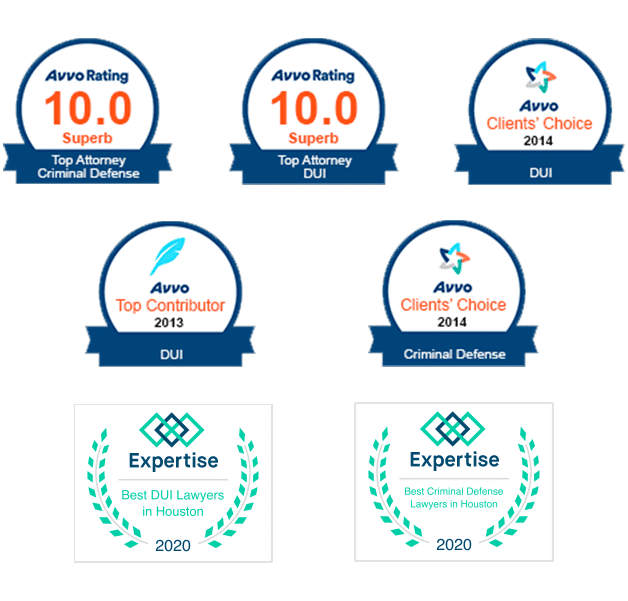
- Rated 10.0 Superb on Avvo
- Top DUI Lawyer & 2013 Top DUI Contributor on Avvo
- 2011 Top DWI Lawyer, Houston Texas Magazine
- 2008 & 2010 Top Lawyer, Houston Texas Magazine
- 2012 & 2014 Clients’ Choice DUI Lawyer on Avvo
- 2009 Top Criminal Lawyer, Houston Texas Magazine
Our Houston DWI lawyer uses this background as a prosecutor and defender to spot weak points in the state’s case, challenge evidence, and negotiate from a strong position.
Put a Former Prosecutor on Your Side
Experienced Houston DWI and Criminal Defense
If you need a Houston criminal defense attorney who focuses on DWI defense and serious criminal charges, contact Herman Martinez. He is a strong advocate in and out of the courtroom and handles complex cases that involve breath or blood test evidence, prior convictions, or accident allegations.
With his years of experience and record of case dismissals, reduced charges, and not guilty verdicts, Attorney Martinez and our legal team work to protect your rights at every stage. As a former prosecutor, he understands how the state prepares cases and uses that insight to build defenses that expose problems in the stop, investigation, and testing.
When you work with our firm, you receive clear communication, honest advice, and a defense strategy built around your goals for your future.
We Prioritize Client Results
Read What Past Clients Have Said
Our case results include DWI dismissals, reduced charges, and not guilty verdicts in serious criminal matters. Results matter more than promises.
“Herman truly exceeded my expectations in every aspect of defending my case.” – I.S.
“It’s been a hard year, but it is getting better with Mr. Martinez!” – J.P.
Understand Your Rights & Legal Options
A DWI or criminal charge in Houston can affect your job, license, and immigration status. Our blog and video resources explain the process, key deadlines, and common questions about Texas DWI laws.

Learn More About Your Rights
Watch short videos from Houston DWI lawyer Herman Martinez about your rights during a traffic stop, DWI testing, and the criminal court process in Harris County.
Get Heavyweight Legal Representation You Can Trust
Whether you are dealing with a first-time DWI, a felony DWI, or another criminal charge, you can trust in the experience and focus of our Houston DWI lawyer and criminal defense team. We know the criminal justice system is not perfect and that good people can face serious accusations after a single mistake.
Our firm looks closely at police procedures, video evidence, and testing records to find errors that can help reduce or dismiss charges. We believe results matter, and we back that up with case results that show how we have helped clients in Houston and Harris County.
If you are ready to discuss your case with a knowledgeable Houston criminal lawyer, contact us today. See our case results and contact us to schedule your free consultation.