

All About Xanax: Is It a Controlled Substance?
Understanding Xanax and Its Legal Status

Is Xanax a controlled substance? Yes, Xanax is classified as a Schedule IV controlled substance under federal law and is regulated by the Drug Enforcement Administration (DEA). Here’s what you need to know:
- Generic Name: Alprazolam
- Drug Class: Benzodiazepine
- Schedule: Schedule IV (low potential for abuse relative to Schedules I-III)
- Medical Use: Prescribed for anxiety disorders and panic disorders
- Prescription Volume: More than 15 million prescriptions written in 2023
- Legal Status: Possession without a valid prescription is illegal in Texas and carries criminal penalties
Xanax, known generically as alprazolam, is a commonly prescribed medication in the United States for treating anxiety and panic disorders. Despite its medical uses, Xanax carries significant risks when misused, abused, or combined with other substances like alcohol or opioids. As a central nervous system depressant, it slows brain activity and breathing—making it both therapeutically effective and potentially dangerous.
Why Xanax’s Status Matters in Houston Cases
Understanding Xanax’s controlled status is critical if you’re charged with drug possession in Houston or Harris County. Whether you have a valid prescription but were stopped with pills outside the original container, are accused of prescription fraud, or face more serious distribution allegations, the consequences can be severe. Under Texas law, Xanax (alprazolam) is in Penalty Group 3, and penalties can span from a Class A misdemeanor to a first-degree felony, depending on the amount alleged to be in your possession.
As the founder of The Martinez Law Firm in Houston, I’ve spent more than 25 years handling drug cases from both sides of the courtroom—first as a Chief Prosecutor for the Harris County District Attorney’s Office, and later as a defense attorney. My experience with controlled-substance cases, including Xanax, shows many people don’t realize that the answer to ‘is Xanax a controlled substance‘ has serious legal consequences—especially in matters of prescription fraud, unlawful possession, or DUI.
In this guide, we’ll break down everything you need to know about Xanax’s controlled substance classification, the specific penalties you could face in Texas, the dangers of misuse, and what legal options are available if you’re facing charges related to this medication.
Is Xanax a Controlled Substance? The Official DEA Classification
Is Xanax a controlled substance? Absolutely—and understanding exactly what that means can help you steer both the medical and legal implications of this widely prescribed medication.
In the United States, drugs like Xanax fall under the Controlled Substances Act (CSA), a federal law passed in 1970 that brought together all previous drug regulations into one comprehensive system. The CSA doesn’t just prohibit certain substances—it creates a structured framework for regulating how drugs are manufactured, imported, possessed, used, and distributed across the country.
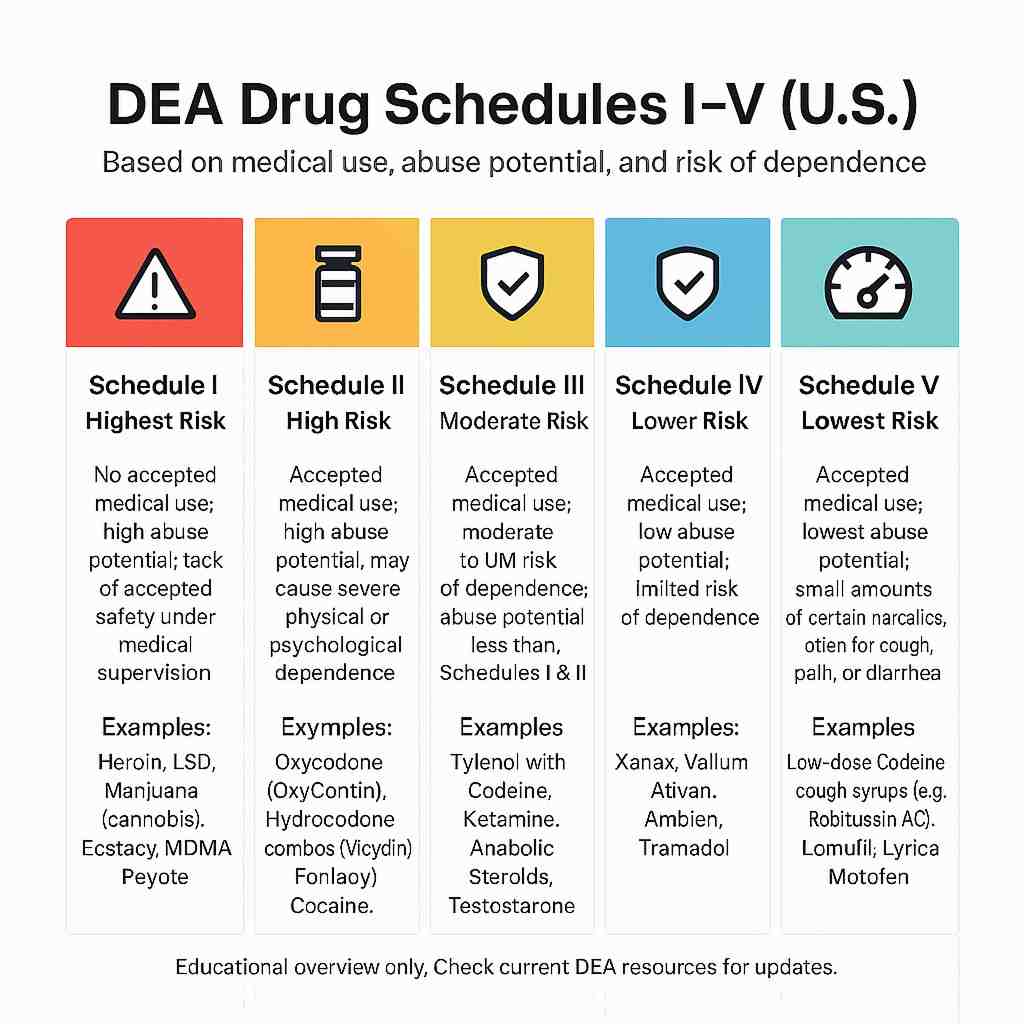
The Drug Enforcement Administration (DEA) is the federal agency tasked with enforcing the Controlled Substances Act. One of their primary responsibilities is organizing drugs into five distinct categories, or “schedules,” based on three key factors: whether the drug has accepted medical uses, how likely it is to be abused, and whether it can cause physical or psychological dependence. This scheduling system attempts to strike a delicate balance—allowing doctors to prescribe beneficial medications while preventing misuse and keeping dangerous substances off the streets.
You can explore the full details of how the DEA categorizes different substances through their official DEA drug scheduling information page.
What Schedule is Xanax?
Xanax—or alprazolam, if we’re using its generic name—sits in Schedule IV of the Controlled Substances Act. This puts it in the same category as several other prescription medications you’ve probably heard of, including Valium, Ativan, and even Ambien.
So what does Schedule IV actually mean? According to the DEA’s definition, Schedule IV drugs have a low potential for abuse relative to Schedules I through III and an accepted medical use in treatment. Think of it this way: these medications are useful and relatively safe when used as prescribed, but they’re not entirely without risk.
Here’s how Schedule IV compares to the other categories. Schedule I drugs like heroin and LSD have no accepted medical use and high abuse potential. Next, Schedule II substances such as oxycodone, fentanyl, and methamphetamine have legitimate medical applications but carry a high risk of severe dependence. Then, Schedule III drugs like Tylenol with codeine and ketamine fall somewhere in the middle, with moderate potential for dependence.
Schedule IV, where Xanax lives, represents drugs that medical professionals consider relatively safe for prescription use but still require controls. Besides alprazolam, this category includes diazepam (Valium), lorazepam (Ativan), zolpidem (Ambien), and tramadol—all medications commonly prescribed in Houston and across Texas.
The “low potential for abuse” label might sound reassuring, but it’s important not to let that classification lull you into a false sense of security. Just because something is Schedule IV doesn’t mean it’s harmless.
Why is Xanax a controlled substance despite its classification?
If Xanax is only a Schedule IV drug with supposedly “low” abuse potential, why all the concern? Why is it controlled at all?
The reality is more complicated than the scheduling might suggest. While Xanax does have legitimate medical benefits for people struggling with anxiety and panic disorders, it also carries significant risks of physical dependence and addiction—risks that can sneak up on even responsible users.
When you take Xanax regularly, your body begins to adapt. Over time, you might develop tolerance, meaning you need higher doses to get the same relief you once felt with smaller amounts. If you then try to stop taking it suddenly, your body can revolt with severe withdrawal symptoms ranging from rebound anxiety and insomnia to potentially life-threatening seizures. This is why doctors stress the importance of tapering off benzodiazepines slowly under medical supervision rather than quitting cold turkey.
Abuse
Beyond physical dependence, there’s the potential for misuse and addiction. Some people start taking more than prescribed to chase that initial calming effect. Others might crush and snort the pills, or combine Xanax with alcohol or opioids to intensify the high. What might begin as a legitimate prescription for anxiety can spiral into a pattern of compulsive use that damages relationships, careers, and health.
The U.S. Food and Drug Administration takes these risks seriously. In 2020, the FDA began requiring an FDA black box warning on all benzodiazepines, including Xanax. This is the strongest warning the FDA can issue for prescription medications, and it specifically highlights the serious dangers of abuse, misuse, addiction, physical dependence, and withdrawal reactions.
That black box warning tells you something important: even a “low potential for abuse” drug can have a high potential for harm when not used exactly as prescribed. In my years handling drug cases in Houston—first as a prosecutor and now as a defense attorney—I’ve seen countless individuals who never imagined they’d face criminal charges over a prescription medication. They thought because their doctor prescribed it, or because it’s “only” Schedule IV, the legal risks were minimal. Unfortunately, Texas law doesn’t make those distinctions when it comes to unlawful possession or misuse.
Understanding the Risks: From Dependence to Overdose
When we talk about is Xanax a controlled substance, we’re not just discussing legal paperwork and DEA classifications. We’re talking about real people in Houston and across Texas who started with a legitimate prescription and found themselves struggling with something they never expected: addiction.
The truth is, Xanax can be medically beneficial for many people dealing with anxiety and panic disorders. But the risks of dependence, misuse, and overdose are very real, and they don’t discriminate. Whether you’re a college student, a busy professional, or a parent managing stress, anyone can develop a problem with this medication.
Recognizing the signs of Xanax addiction early can make all the difference. Some warning signs are behavioral: you might notice someone doctor shopping (visiting multiple physicians to get extra prescriptions), becoming increasingly secretive or defensive about their medication use, or withdrawing from family and friends. They might stop showing up for work or family obligations, or continue using Xanax even when it’s clearly causing problems in their life.
The physical symptoms can be just as telling. Persistent drowsiness, slurred speech, memory problems or blackouts, and impaired coordination are common red flags. You might notice someone forgetting conversations they had just hours earlier, stumbling when they walk, or seeming “out of it” much of the time.
One of the most dangerous aspects of Xanax misuse isn’t just the drug itself—it’s what happens when people mix it with other substances. This practice, called polysubstance use, dramatically increases the risk of serious harm or death.
The Lethal Combination: Is Xanax a controlled substance that’s dangerous with opioids?
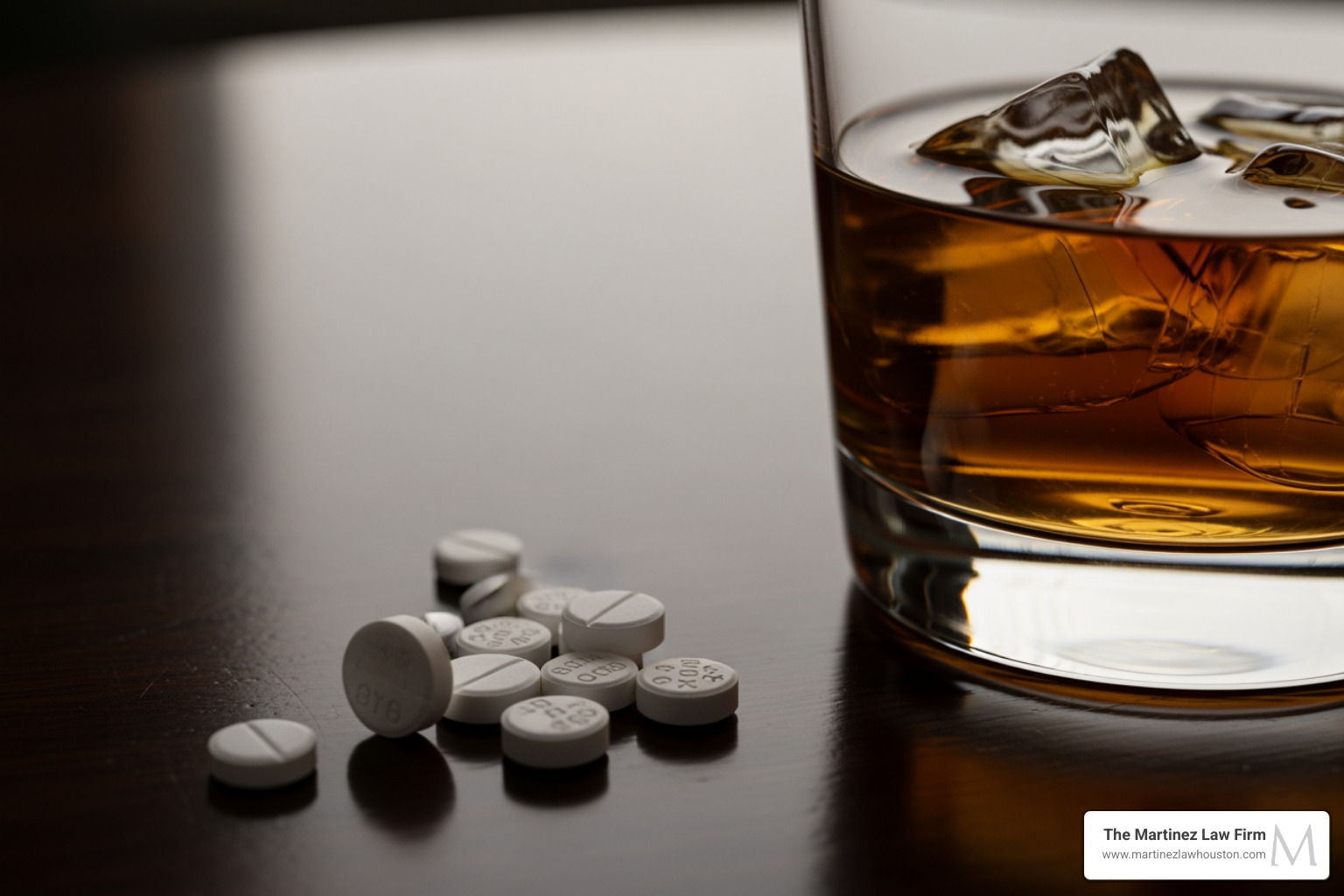
Here’s something that might surprise you: even though is Xanax a controlled substance classified as Schedule IV—meaning it theoretically has a “low potential for abuse”—combining it with opioids creates one of the deadliest drug combinations possible.
Both Xanax and opioids are central nervous system depressants. Think of your nervous system as your body’s control center—it manages everything from your heartbeat to your breathing. When you take a CNS depressant, you’re essentially telling that control center to slow down. Take two different depressants together, and you’re not just doubling the effect—you’re creating what doctors call a synergistic effect, where the combined impact is far more powerful than either drug alone.
This combination leads to severe respiratory depression, a frightening condition where your breathing becomes so slow and shallow that your brain and organs don’t get enough oxygen. This is how most overdose deaths happen—people simply stop breathing.
The statistics are sobering. Research published in Pain Medicine found that overdose death rates were 10 times higher among people taking opioids and benzodiazepines together compared to those taking only opioids. That’s not a small increase—it’s a tenfold jump in risk.
That’s why the CDC strongly recommends against co-prescribing benzodiazepines with opioid pain medication, and why the FDA requires black box warnings on both types of medications. If you’re in Houston and have been prescribed both, please talk to your doctor about safer alternatives. Your life could depend on it.
Xanax and Alcohol: A Dangerous Mix
If you’ve ever been prescribed Xanax, your doctor probably told you not to drink alcohol while taking it. Unfortunately, this warning is often ignored—and the consequences can be fatal.
Like opioids, alcohol is a central nervous system depressant. When you mix it with Xanax, you’re creating the same dangerous synergistic effect. The combination leads to increased sedation that goes far beyond what you’d experience with either substance alone. People can lose consciousness unexpectedly, even from what seems like a small amount of alcohol.
Your judgment and coordination become severely impaired, making you vulnerable to accidents, falls, and dangerous decisions you’d never make sober. Many people in Houston have found themselves facing DUI charges after mixing Xanax and alcohol, genuinely unaware of how impaired they were.
Perhaps most frightening is the memory loss—what’s often called a “blackout.” You might function, walk around, even have conversations, but later have absolutely no memory of what happened. This isn’t just forgetting a few details; it’s complete amnesia for hours of your life.
Most critically, mixing Xanax and alcohol dramatically increases your risk of overdose. The combined depressant effects can slow your breathing to dangerous levels, leading to coma or death. Even a single drink can significantly amplify Xanax’s effects.
If you or someone you care about is struggling with Xanax misuse, especially involving alcohol or other drugs, please reach out for help. As someone who’s handled countless drug cases in Harris County, I’ve seen too many lives lost to combinations that people thought they could handle. The good news is that with proper medical supervision and support, recovery is absolutely possible.
Xanax Possession Laws and Penalties in Houston, TX
Understanding that is Xanax a controlled substance is vital, but equally important, especially if you’re in Houston, Texas, is knowing the legal consequences of possessing it without a valid prescription. Here in Texas, possession of Xanax (alprazolam) without a legitimate prescription from a licensed medical professional is illegal and can lead to serious criminal charges.
Texas law categorizes controlled substances under the Texas Health and Safety Code. Xanax falls under Penalty Group 3, which includes a range of substances with accepted medical uses but also a potential for abuse and dependence. The severity of the charges and penalties depends heavily on the amount of Xanax involved.
Here’s a breakdown of the typical penalties for Xanax possession in Texas, based on the weight of the drug:
| Amount of Xanax (Alprazolam) | Charge | Potential Punishment |
|---|---|---|
| Less than 28 grams | Class A Misdemeanor | Up to 1 year in a county jail and/or a fine of up to $4,000 |
| 28 grams to less than 200 grams | Third-Degree Felony | 2 to 10 years in state prison and a fine of up to $10,000 |
| 200 grams to less than 400 grams | Second-Degree Felony | 2 to 20 years in state prison and a fine of up to $10,000 |
| 400 grams or more | First-Degree Felony | 5 to 99 years or life in state prison and a fine of up to $50,000 |
These penalties are severe and can have a lasting impact on your life, including a permanent criminal record, difficulty finding employment or housing, and loss of certain rights.
Related Charges
Beyond simple possession, other offenses related to Xanax can also lead to significant legal trouble in Houston and Harris County:
- Prescription Fraud: This involves altering a prescription, forging a prescription, or using deceptive means to obtain Xanax. It can be charged as a felony.
- Doctor Shopping: This occurs when an individual visits multiple doctors to obtain numerous prescriptions for controlled substances like Xanax. This is a felony offense.
- Driving Under the Influence (DUI) of Drugs: Operating a vehicle while impaired by Xanax, even if you have a valid prescription, can result in DUI charges. In Texas, this carries penalties similar to drunk driving, including fines, license suspension, and jail time.
Given the complexities of drug laws in Texas and the severe penalties involved, facing Xanax-related charges in Houston or Harris County demands immediate and experienced legal representation. Our firm is well-versed in navigating these intricate legal waters and protecting the rights of our clients.
Frequently Asked Questions About Xanax
Navigating the legal and medical landscape around Xanax can feel overwhelming, especially if you’re facing charges or concerned about a loved one. Over my 25+ years practicing law in Houston, I’ve heard these questions countless times from clients sitting across from me, worried and confused. Let me walk you through some of the most common concerns with straight answers you can actually use.
How long is a Xanax prescription valid in Texas?
This is something many people don’t realize until they’re standing at a pharmacy counter or, worse, stopped by law enforcement. Because is Xanax a controlled substance classified as Schedule IV, both federal and Texas state laws place specific time limits on prescriptions.
In Texas, your Xanax prescription is valid for six months from the date your doctor wrote it. That’s your window. Within those six months, you’re allowed a maximum of five refills. Once you’ve either hit the six-month mark or used up your five refills—whichever comes first—you’ll need to see your doctor again for a new prescription to continue treatment.
This isn’t just bureaucratic red tape. The law requires this regular medical supervision because benzodiazepines like Xanax can be habit-forming. Your doctor needs to periodically reassess whether the medication is still appropriate for you, monitor for signs of dependence, and ensure you’re not developing tolerance that might require dosage adjustments. These Schedule IV rules exist to protect patients from inadvertently sliding into dependence while still allowing access to legitimate medical treatment.
Can I be charged for having pills outside the prescription bottle?
Yes, absolutely, and this catches people off guard more often than you’d think. I’ve represented clients in Houston who had completely legitimate prescriptions but made the mistake of carrying their pills loose in a pocket, a pill organizer, or transferred to another bottle for convenience. They were shocked to find themselves facing criminal charges.
Texas law requires that prescription medications be kept in their original container with the pharmacy label clearly visible. The label shows your name, the prescribing doctor, the pharmacy, the medication name, dosage, and fill date—all crucial information that law enforcement needs to verify the legitimacy of your possession.
When Harris County deputies or Houston police officers find someone with loose pills or pills in an unmarked container, they can’t immediately verify whether that person has a legal right to possess them. The initial presumption may be unlawful possession, even if you legitimately take that medication every day. While having a valid prescription is certainly a defense, you might still face charges for improper storage of a controlled substance—often a misdemeanor offense.
The burden then shifts to you to prove you had a valid prescription for those specific pills, which can mean additional court appearances, legal fees, and stress that could have been avoided. My advice? Always keep your Xanax in its original, labeled container, especially when you’re out and about in Houston or traveling anywhere in Texas.
What are the treatment options for Xanax addiction?
If you or someone you care about is struggling with Xanax dependence or addiction here in Houston, I want you to know something important: seeking help is not a sign of weakness, and effective treatment is available. Over the years, I’ve watched clients successfully reclaim their lives after battling benzodiazepine addiction, but it requires professional help.
Medical supervision is absolutely critical when addressing Xanax dependence. Unlike some substances, abruptly stopping Xanax can be genuinely dangerous. Severe withdrawal symptoms can include life-threatening seizures, along with anxiety, tremors, sweating, and insomnia. This is why attempting to quit “cold turkey” on your own is never recommended.
Detox
The journey to recovery typically begins with medically-assisted detox, where healthcare professionals in Houston’s specialized detox facilities or hospital settings carefully supervise a gradual tapering of your Xanax dosage. This controlled reduction minimizes withdrawal symptoms and significantly reduces the risk of complications like seizures. Think of it as your body needing time to readjust to functioning without the medication it’s become dependent on.
After detox, treatment continues through either inpatient or outpatient programs. Inpatient programs offer a structured residential environment with 24/7 support—ideal for severe addictions or when someone needs to step away from triggering environments. Outpatient programs provide flexibility, allowing people to live at home and maintain work or family responsibilities while attending regular therapy sessions at Houston treatment centers.
CBT
Cognitive-behavioral therapy (CBT) forms the backbone of most effective treatment plans. This evidence-based approach helps you identify the thought patterns and triggers that led to misuse, develop healthier coping strategies for anxiety, and build skills to resist cravings. I’ve seen CBT genuinely transform how people manage stress without relying on medication.
Finally, support groups like Narcotics Anonymous (NA) or local recovery groups throughout Houston provide ongoing community support. There’s something powerful about connecting with others who truly understand what you’re going through—people who’ve walked the same difficult path and come out the other side.
Every person’s situation is unique, so treatment plans should be custom to individual needs, the severity of addiction, and any co-occurring mental health conditions like the anxiety disorder that may have led to the original prescription. The good news? With proper treatment, full recovery is absolutely possible. The sooner someone seeks help, the better their chances of successful, lasting recovery.
Facing Xanax Charges? How a Houston Criminal Defense Attorney Can Help
We’ve walked through quite a journey together in this guide, and if there’s one thing I hope you take away, it’s this: understanding that is Xanax a controlled substance is more than just a legal technicality—it’s knowledge that could protect your future.
Let’s bring it all together. Xanax, known generically as alprazolam, sits in the Schedule IV category of controlled substances. Yes, it has legitimate medical uses for anxiety and panic disorders, and yes, it’s considered to have a lower abuse potential than drugs in Schedules I through III. But that classification doesn’t diminish the very real risks it carries. When misused or combined with other substances like opioids or alcohol, Xanax can be deadly. The statistics on overdose deaths don’t lie, and the FDA’s black box warnings exist for good reason.
Here in Houston and Harris County, the legal stakes are equally serious. Texas law doesn’t take Xanax possession lightly. If you’re caught with this medication without a valid prescription, you’re looking at criminal charges that can range from a Class A misdemeanor for small amounts to a first-degree felony if you’re found with 400 grams or more. We’re talking about potential penalties that include years in state prison and fines reaching tens of thousands of dollars. Beyond simple possession, charges can stem from prescription fraud, doctor shopping, or even driving under the influence of Xanax—each carrying its own set of severe consequences.
Why Choose Our Firm?
If you’re reading this because you or someone you care about is facing Xanax-related charges in Houston, I want you to know something important: you don’t have to face this alone, and acting quickly matters. The criminal justice system can feel overwhelming, especially when you’re staring down the possibility of jail time, hefty fines, and a permanent criminal record that could affect your employment, housing, and personal relationships for years to come.
This is where having the right legal representation makes all the difference.
At The Martinez Law Firm, we’ve spent over 25 years navigating these exact situations. Our founder, Herman Martinez, didn’t just study criminal law from textbooks—he lived it from the other side of the courtroom as a Chief Prosecutor for the Harris County District Attorney’s Office. That experience isn’t just a line on a resume; it’s a strategic advantage. Herman knows how prosecutors think, how they build their cases, and most importantly, where their weaknesses lie.
When you work with our firm, you’re not getting a one-size-fits-all defense. We take the time to understand your specific situation, the circumstances of your arrest, and your personal goals. Maybe you were caught with pills outside their original container but have a valid prescription. Perhaps you’re struggling with addiction and need help navigating treatment options alongside your legal defense. Or maybe there were procedural errors in how evidence was collected. Whatever your situation, we build an aggressive, personalized defense strategy designed specifically for you.
We fight for our clients. We challenge every piece of evidence, question every procedure, and explore every possible avenue for reducing or dismissing charges. Our track record speaks to our commitment—we’ve helped countless Houston residents protect their rights and their futures when facing drug-related charges.
Contact an Attorney Now
The worst thing you can do right now is wait. Evidence can be lost, witnesses’ memories fade, and opportunities for building a strong defense can slip away. The sooner we can get started on your case, the better positioned we are to fight for the best possible outcome.
Don’t let a Xanax charge derail your life. You deserve experienced, dedicated legal representation that understands both the law and the human side of these cases.
Contact our Houston office for a confidential case review regarding your drug possession charges. Let’s sit down, talk through what happened, and map out a path forward together. Your future is worth fighting for, and we’re ready to stand beside you every step of the way.
About the author
